
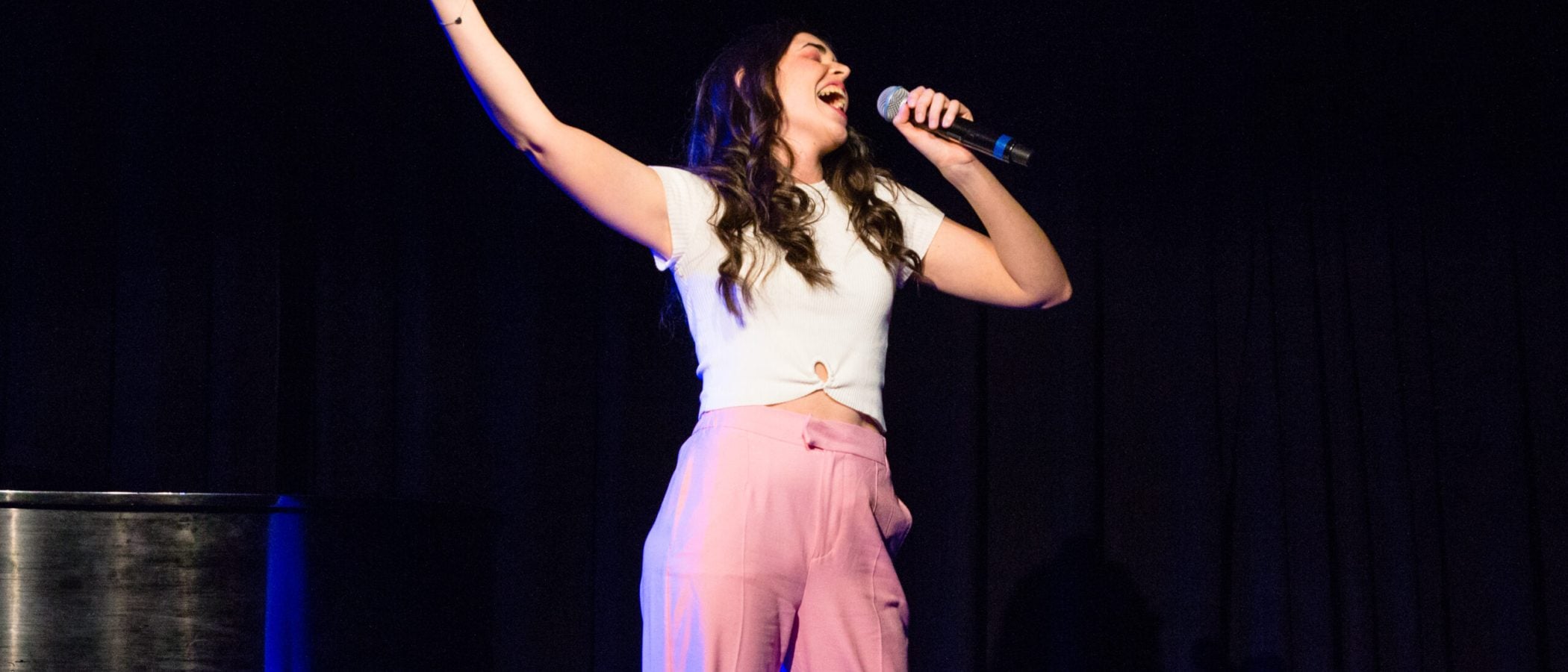
I used to perform for an invisible audience.
As a child, I would spend hours in my room playing dress-up, creating characters, and experimenting with different voices—all on my own. It was my safe space. And yet, I never once considered acting as a career. I was far too shy to imagine that version of myself existing in the real world.
Instead, I followed a more “practical” path. I earned a degree in Audiovisuals and Multimedia, which led to a career as a television producer and later as a digital media creator. Storytelling remained at the center of everything I did, but from the other side of the lens. I was shaping narratives, guiding interviews, and helping direct campaigns.
Still, something felt off.
It was through working closely with actors that I realized I didn’t have the language to communicate with them in a way that truly supported their artistry. My instincts were technical, not human. I knew how to frame a shot, but not how to give actors the direction they needed to succeed.
So, I did what made sense at the time. I signed up for acting workshops to fill that gap.
What I didn’t expect was to fall in love with it—even with the stage fright that came along.
That curiosity quickly turned into a leap of faith. I decided to pursue acting more seriously and left my 9-to-5 job. But something still wasn’t clicking. My work felt inconsistent. Some days, everything flowed. Other days, it felt forced and disconnected.
At the time, I believed consistency meant being able to reproduce the same result over and over again. What I didn’t understand yet was that consistency isn’t about repeating outcomes—it’s about having a process you can rely on, especially on the days when nothing seems to be going your way.
I told myself this struggle was normal, something every artist experiences. But deep down, I knew I had plateaued. I needed to revisit my foundation. At the same time, I didn’t want to return to college or put my career on hold.
That’s when I found the Atlantic Acting School’s Evening Conservatory.
I was first introduced to the Practical Aesthetics technique through a chapter of A Practical Handbook for the Actor, which was shared during the audition process. What struck me immediately was how tangible it felt. Unlike other techniques I had studied, this approach was direct, playable, and rooted in action. It gave me something I could actually do when I felt stuck in my head.
I’ll admit, I wasn’t sure it would work for me. But after moving to the U.S., where every other artist seemed ten steps ahead, I felt I had nothing to lose.
So I went for it.
And everything shifted.
For the first time, acting made sense in a way that aligned with how my brain works. As someone who is naturally analytical (a great skill to have as a producer), I found freedom in that structure. Not because it simplified the work, but because it clarified it. It gave me a clear way to approach each moment truthfully.
I still don’t get the analysis “right” all the time. It’s not as easy as it seems on paper. But now, I have a process I trust. And more importantly, I have a reason to let go.
One of the biggest transformations for me was learning to place my attention fully on the other person on stage. That simple shift changed everything. The stage fright, the overthinking, and the self-awareness all began to fade. I was no longer performing for an audience—or judging myself in real time. I was simply pursuing a clear goal through a specific action, watching how it landed on my scene partner. Nothing scary about that.
I even started applying this approach to my cabaret performances, and the results were immediate. What once felt controlled became alive. What once felt repetitive became new every time.
And better yet, I actually enjoy auditioning now.
It feels like being back in my childhood bedroom—except this time, I’m not hiding. I’m fully present, responsive, and open to wherever the moment takes me. The idea that no two performances are ever the same no longer scares me. It excites me. It means I’m truly living in the moment.
Atlantic Acting School didn’t just give me tools. It gave me permission. Permission to trust myself, to embrace unpredictability, and to redefine what “consistency” really means.
It’s no longer about control.
It’s about freedom.
Susana Raposo
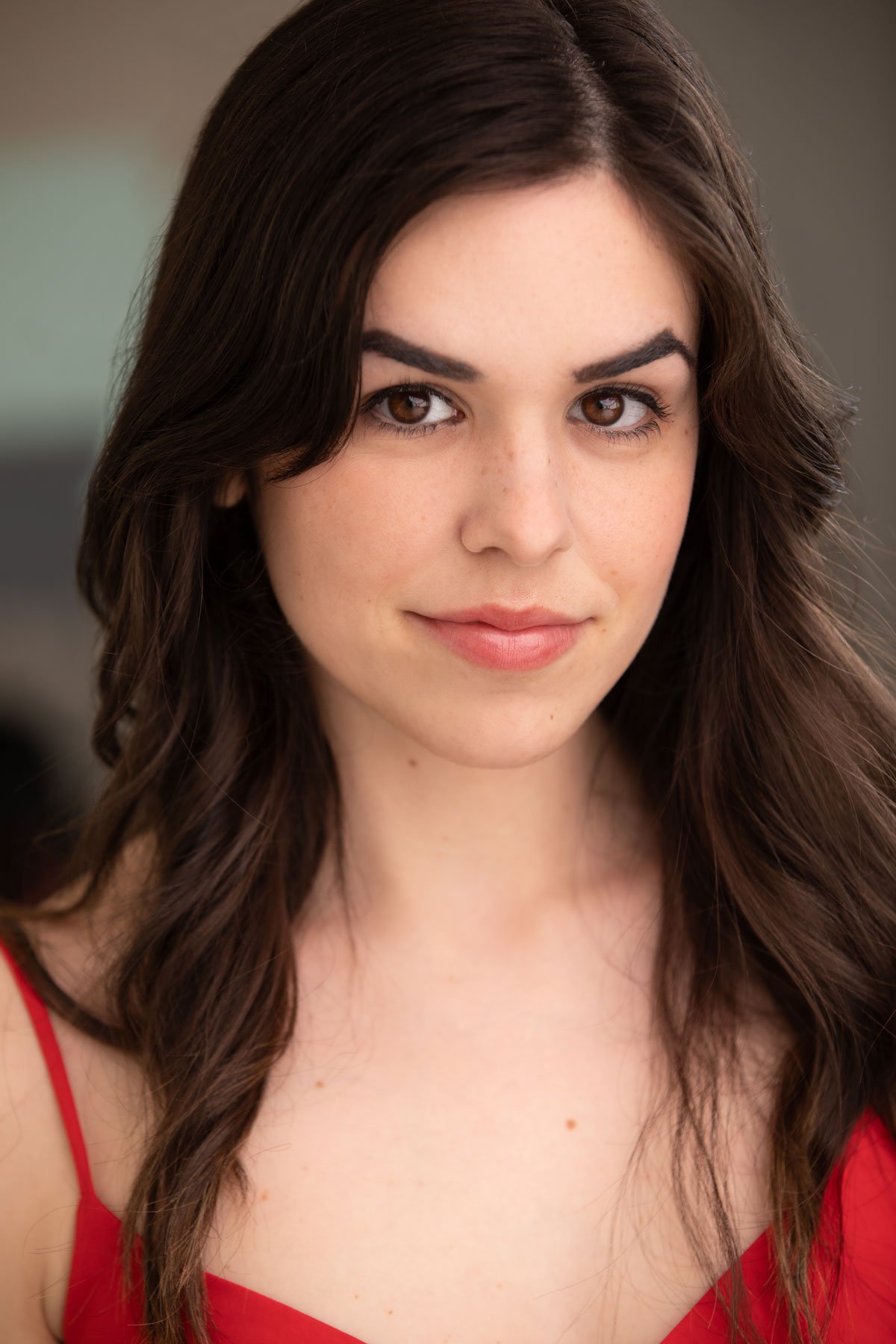
Susana Raposo (she/her/hers) is a NYC-based Portuguese actor and mezzo-soprano belter, trained at the Atlantic Acting School’s Evening Conservatory and Actor Therapy’s Musical Theater Intensive. She brings a grounded, emotionally honest presence to her work, paired with strong musicality and expressive storytelling.
She maintains an active career across both the U.S. and Portugal, with an extensive voice-dubbing portfolio that includes Saving Bikini Bottom: The Sandy Cheeks Movie (Sandy Cheeks), That Christmas (Bernadette), and UglyDolls (Wedgehead), among other international credits.
Her NYC stage work includes Uncle Charlie Is F*cking With Us (Danielle) and Champagne Tears: The Rich Also Cry (Doña Malvada).
Website: www.susanaraposo.com
IG: susana_raposo
Evening Conservatory
Designed for the working actor, the Evening Conservatory distills the physical, emotional, and analytical tools of acting into a concentrated three-semester program.
Students will push beyond their creative comfort zones to take their talents to new heights.